
ARDI — Drayage
Drayage from US Ports and Airports to Our Warehouses
Container moves from the terminals of Los Angeles, Long Beach, Newark, Elizabeth and Bayonne — and from LAX, JFK and EWR — straight into ARDI’s own warehouses in Riverside, California and Edison, New Jersey, where the freight is unloaded and prepped in the same flow.
The Short Answer
What Is Drayage?
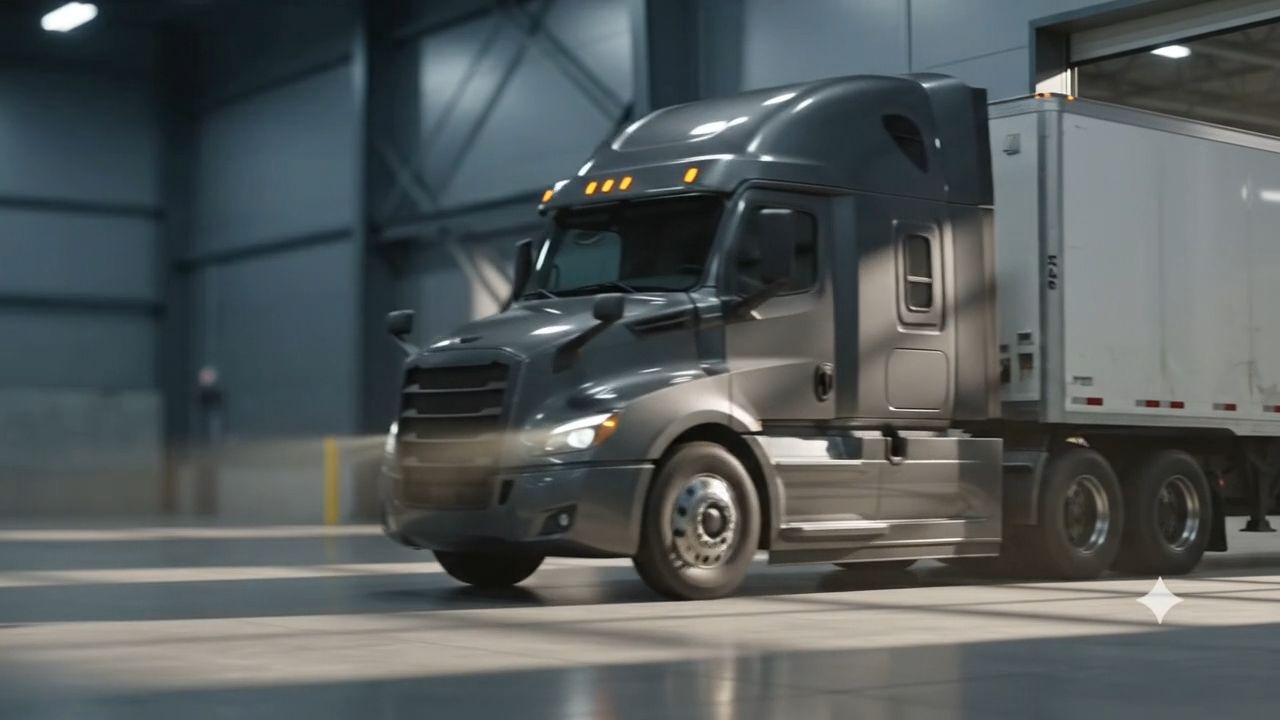
Drayage is the short-distance truck move that carries a shipping container between a port or airport terminal and its next stop — usually a warehouse. It is the shortest leg of an import and the one that most often goes wrong: the container has crossed an ocean successfully, and then sits at the terminal accruing charges because nobody scheduled the truck.
The word comes from the horse-drawn dray carts that once hauled goods off the docks. In modern use it means one specific thing: the first inland move after arrival, measured in miles rather than hundreds of miles, and governed by terminal appointment windows rather than road distance.
Process
How ARDI Handles Drayage
ARDI has coordinated US import logistics for 10 years, and coordinates drayage as part of the wider import flow rather than as a standalone trucking service. All transportation is performed by licensed motor carrier partners operating under their own DOT authority; our role is to arrange, schedule and coordinate the move so it lines up with what happens next at the warehouse.
Release monitoring
Appointment
Pickup and delivery
Unload and return
Visibility comes from the source: your account manager sends status directly from the terminal, port and carrier systems used on each move, rather than through a separate portal that duplicates them.
West Coast
Drayage from Los Angeles and Long Beach
Containers arriving through the San Pedro Bay ports move to ARDI’s 51,000 sq ft warehouse in Riverside — inside the Inland Empire, roughly 55‑60 miles from the terminals and within about 20 miles of five Amazon fulfillment centers. Typical time from container release to our dock is 2‑12 hours — the variable is the appointment window the terminal releases, not the drive.
| Terminal | Port | Service |
|---|---|---|
| International Transportation Service (ITS) | Long Beach | Regular |
| Long Beach Container Terminal (LBCT) | Long Beach | Regular |
| SSA Marine, Pacific Container Terminal (Pier J) | Long Beach | Regular |
| SSA Marine, Pier A | Long Beach | Regular |
| Total Terminals International (TTI) | Long Beach | Regular |
| APM Terminals Pier 400 | Los Angeles | Regular |
| Fenix Marine Services | Los Angeles | On request |
| Everport Terminal Services | Los Angeles | On request |
| TraPac | Los Angeles | On request |
| West Basin Container Terminal (WBCT) | Los Angeles | On request |
| Yusen Terminals (YTI) | Los Angeles | On request |
On request means we arrange the move through a carrier partner covering that terminal — same process, with timing confirmed at quote. Don’t see your terminal? Send it to us anyway: the list covers where we run regularly, not the limit of what we can arrange.
Counts refer to terminals listed on this page: 11 in California and 7 in New York and New Jersey, of which 10 are on regular service. Airport gateways are counted separately.
East Coast
Drayage from Port Newark, Elizabeth and Bayonne
Containers arriving through the Port of New York and New Jersey move to ARDI’s 35,000 sq ft warehouse in Edison — about 25 miles from Port Newark, with Amazon’s LGA9 roughly three miles away. As on the West Coast, typical time from release to our dock is 2‑12 hours — the variable is the appointment window the terminal releases, not the drive.
| Terminal | Port | Service |
|---|---|---|
| Port Newark Container Terminal (PNCT) | Newark, NJ | Regular |
| Maher Terminals | Elizabeth, NJ | Regular |
| APM Terminals Elizabeth | Elizabeth, NJ | Regular |
| GCT Bayonne | Bayonne, NJ | Regular |
| GCT New York | Staten Island, NY | On request |
| Red Hook Container Terminal | Brooklyn, NY | On request |
| Port Jersey | Jersey City, NJ | On request |
On request means we arrange the move through a carrier partner covering that terminal — same process, with timing confirmed at quote. Don’t see your terminal? Send it to us anyway: the list covers where we run regularly, not the limit of what we can arrange.
Air Cargo
Airport Drayage — Recovering Air Cargo
Air freight has the same ground problem as ocean, compressed into fewer days: cargo lands quickly and then waits to be recovered from the airline’s cargo terminal. ARDI coordinates recovery and the move to the receiving warehouse on the same basis as port drayage — scheduled against release rather than after it.
Gateways
After the Gate
Why Drayage Booked With Your Warehouse Works Better
A drayage company’s job ends when the container reaches the gate. What happens after — whether there is a door free, whether a crew is ready, whether the empty goes back on time — belongs to somebody else, and the gap between the two is where demurrage and per-diem charges are made.
Delivery
The container arrives at a dock we operate, on a slot booked against the unload crew rather than against nothing in particular.
Unloading and cross-docking
The freight is unloaded, counted, sorted and rebuilt onto domestic pallets, with FNSKU labelling and prep applied in the same pass where the goods are Amazon-bound. Cross-docking
Empty return
The container goes back on a scheduled return, because the same team knows when the unload finishes.
When one company plans both legs, the three steps are scheduled together instead of negotiated after the fact. Where the cargo arrives by sea or air, the inbound leg can be arranged by ARDI Logistics under the same group — one plan from the vessel or the aircraft through to the pallet.
Delivery Beyond Our Warehouses
Cargo does not have to stop with us. Freight can move onward to any US address — consolidated as LTL through our carrier partners’ terminal network, or as a dedicated FTL truck running direct from origin to destination without intermediate stops. This is separate from drayage and quoted separately; tell us the destination and it goes into the same quote.
Pricing
Pricing, Free Time and Cargo Cover
Drayage into ARDI’s own warehouses is quoted on a standing rate, since the lane, the distance and the receiving point are known. Delivery to your own address is priced per move, because the destination, the equipment and the schedule change every time. Either way you get a line-item quote rather than a headline number with charges arriving behind it.
Free time is the window a terminal and a carrier allow before storage and equipment charges begin — demurrage while the container sits at the terminal, per diem once it is out but not yet returned. The length is set by the terminal and the carrier, not by us, and it varies by terminal and by season. What we control is the schedule: the pickup is booked against the container’s actual release and the empty return against the finished unload, so the clock is used rather than discovered. If a move looks likely to run tight, we say so before it does.
One thing worth stating plainly, because quotes rarely do: cargo insurance is not included and is arranged by the shipper. What our carrier partners hold is liability coverage under their own DOT authority — a different instrument with different limits. If a load is worth insuring, we say so at quote stage rather than after.
One exclusion worth naming: hazardous and dangerous goods are quoted case by case rather than moved as standard service. Tell us the classification at quote stage, not after the container is booked.
FAQ
Drayage FAQ
How soon after release can my container be at your warehouse?
Typically 2‑12 hours, on both coasts, subject to terminal appointment availability and traffic. The variable is almost never the drive — Riverside is 55‑60 miles from the San Pedro Bay terminals and Edison about 25 from Port Newark. It is the appointment window the terminal makes available, which is why we schedule against the actual release rather than an estimated one.
Who books the terminal appointment?
The carrier partner handling the move books it, within the windows the terminal publishes. We monitor the release and coordinate the timing so the appointment lines up with a free door and a crew at the warehouse — the two halves are scheduled against each other rather than separately.
What is the difference between drayage and regular trucking?
Distance and equipment. Drayage is a short move — usually under a hundred miles — carrying an ocean or air container on a chassis, governed by terminal appointment windows and free-time clocks. Regular trucking moves freight in a trailer over longer distances on ordinary road schedules. Different constraints, different pricing, and the reason drayage is quoted separately from onward delivery.
Is my cargo insured during drayage?
No, and the distinction is worth understanding. Carrier liability coverage pays out against proven fault and within statutory limits — it is not a policy on what your goods are worth. Cargo insurance covers the goods themselves and is arranged by the shipper. For high-value or hard-to-replace loads, arrange it deliberately rather than discovering the difference after a claim.
Can you deliver to my own warehouse instead of yours?
Yes. The difference is in pricing rather than capability: moves into our own warehouses run on a standing rate because the lane and the receiving point are fixed, while moves to your address are priced per job. Worth weighing against what you would otherwise pay a separate provider to receive and handle the freight.
Get a Quote
Get a Drayage Quote.
Send the terminal, the container size and your release date — we’ll come back with the move priced out, including what happens to the freight after it reaches the dock.
- Response within 24 hours — from a freight specialist, not a bot
- Free quote, no obligation to book
- Line-item quote — no charges arriving behind it
ARDI Logistics moves the freight, ARDI Express runs the warehouses — one group from the terminal to the pallet.

Thanks — we’ve got your container details. An ARDI freight specialist will reply within one business day with the move priced out line by line.